The post More innocent Anglophones on the run, declared wanted as military clamps down on suspected separatist collaborators in NW, SW appeared first on THE SUN NEWSPAPER CAMEROON.
]]>Fear and displacement have gripped several villages in the North-West and South-West Regions as more civilians flee their homes for fear of being branded collaborators of separatist fighters in the ongoing armed conflict. Several are said to have been declared wanted.
From Ndian to Ngoketunjia, from Manyu to Mezam and Momo to Meme, reports abound of young men and women abandoning their villages and seeking refuge in bushes, neighbouring towns or across the border in Nigeria after being accused of siding with non-state armed groups.
Sources say security operatives have been arresting Anglophone youths and suspected activists indiscriminately. Family members and local sources allege that some of those arrested are detained under deplorable and inhuman conditions, with some reportedly dying in detention. THE SUN could not independently verify these claims.
According to local sources, community leaders and internally displaced persons (IDPs) interviewed, the pattern is increasingly familiar: following an attack on security forces or a military operation, reprisal searches are conducted. Youths found with phones containing images deemed suspicious, those who sell food or fuel to fighters out of coercion, or those who simply live in areas with a separatist presence are often rounded up.
“Many are caught between two fires,” said a traditional ruler in Meme Division who asked not to be named. “If you refuse to give food to the boys in the bush, you are labelled a blackleg and threatened. If you give, the military says you are sponsoring terrorism. So the only option for many is to run.”
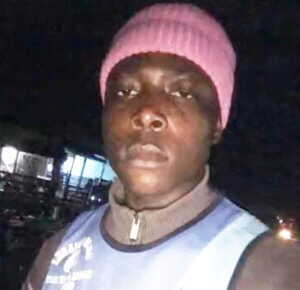
One case cited is that of Téologien Baggio Jeutsa, a youth from Kumba-Fiango, Meme Division. Family sources claim he was arrested, allegedly tortured and detained for about a month in early 2024 on allegations of providing information to separatist fighters.
They allege that, after his release on condition that he report daily to a military base to sign in, he fled the country in March 2024 for fear of his safety. At press time, his whereabouts remained unknown, while family members said security forces continued to make impromptu checks in the Fiango neighbourhood in search of him. These allegations remain claims by the family and could not be independently verified.
Humanitarian workers say this double victimisation is fuelling a new wave of displacement. According to estimates by OCHA, the International Crisis Group and Amnesty International, more than 600,000 people remain internally displaced by the crisis, with thousands more experiencing secondary displacement. Human Rights Watch and other rights groups have repeatedly called on all parties to respect international humanitarian law and protect civilians.
A youth who fled Mundemba and is now in Kumba told THE SUN: “I was not a fighter. I am a bike rider. But after they attacked a military position near our village, soldiers came and said all young boys are Amba. My two friends were arrested. I had to run.”
Security sources, however, maintain that operations are targeted at neutralising armed groups responsible for killings, kidnappings for ransom and the enforcement of illegal lockdowns. A senior administrative official in the South-West said the military acts on intelligence and that innocent civilians have nothing to fear if they cooperate with the authorities.
Rights groups disagree. The Centre for Human Rights and Democracy in Africa (CHRDA) headed by Barrister Nkongjo Felix Agbor and other local NGOs have repeatedly called for a clear distinction between combatants and civilians in line with international humanitarian law, as well as independent investigations into allegations of arbitrary arrests and the burning of homes.
Observers note that the culture of labelling has deepened mistrust. Terms such as “blackleg” used by separatist fighters and “Amba collaborator” used by state forces have left villagers vulnerable. Women forced to cook for fighters, bike riders, petty traders and farmers who pay levies under duress are among those worst affected.
“We want peace. We are not fighters. We are just Anglophones who want to live,” said a displaced mother of three now sheltering in Kumba, Meme Division.
Stakeholders say a return to inclusive dialogue, respect for human rights in counter-insurgency operations, and the protection of civilians from abuses by all sides remain the only sustainable path to ending the cycle of flight.
The post More innocent Anglophones on the run, declared wanted as military clamps down on suspected separatist collaborators in NW, SW appeared first on THE SUN NEWSPAPER CAMEROON.
]]>