By Innocent Fowung
(UK Correspondent)
In a move that has sent shockwaves from the university halls of the Russell Group to the bustling streets of Douala and Yangon, the British Home Office has officially activated its first-ever “visa brake.” Effective March 26, 2026, the UK will cease issuing new sponsored study visas to nationals of Cameroon, Afghanistan, Myanmar, and Sudan.
The decision, announced by Home Secretary Shabana Mahmood, marks a radical shift in how Britain manages its borders—targeting legitimate education pathways to preemptively curb asylum claims.
The “Surgical” Strike on migration
The Home Office justified the “unprecedented” measure by pointing to a staggering 470% surge in asylum claims from individuals who entered the UK on student visas between 2021 and 2025. For Cameroon specifically, the spike in claims reportedly exceeded 330%, a statistic the government labels “unsustainable.”
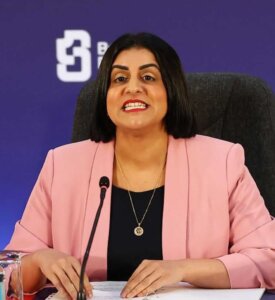
”Britain will always provide refuge to those fleeing war,” Secretary Mahmood stated. “But our visa system must not be abused as a backdoor. We are restoring order and control.”
Global Fallout: From heartbreak to self-critique
The reaction across the globe has been a complex tapestry of diplomatic tension and community soul-searching:
Cameroon:
The response has been a bitter mix of frustration and internal blame. While many prospective students see their dreams of a British education evaporating, the sentiment on social media has been surprisingly self-critical. In Douala and Yaoundé, the phrase “Cameroonians have ruined the study visa” has trended, as citizens grapple with the actions of those who used the route for migration rather than education.
The academic community:
Universities UK (UUK) has warned that the “blanket suspension” could inflict long-term damage on the UK’s £40 billion international education sector. Critics argue the move risks pushing the brightest minds from these nations toward rivals in Germany, Canada, and Ireland.
Human Rights Orgs:
Advocacy groups have slammed the policy as “exceptionally cruel,” noting that the four countries targeted are currently among the most volatile in the world. They argue that penalizing students for seeking safety as a betrayal of Britain’s humanitarian traditions.
The legal reality: Who is safe?
Legal experts from top firms like Fragomen and VisaHQ have moved quickly to clarify the “fine print” for those already in the pipeline:
The Deadline:
Applications submitted before March 26 will still be processed.
In-Country Protection: Those already in the UK on a valid student visa are not affected. They can still study, work part-time, and apply for extensions or “switch” to Graduate visas upon completion.
A “Temporary” pause:
The government insists the brake is not permanent, though it will remain in place until “appropriate” returns agreements or stricter sponsorship rules are established.
A new era of “Border First” policy
The “visa brake” represents more than just a temporary rule change; it is a signal that the UK is willing to sacrifice its “soft power” in education to achieve “hard” numbers in migration control. As the March 26 deadline looms, thousands of applicants now find themselves in a race against time, caught between their academic ambitions and a rapidly tightening border.
Key figures at a glance
470%: Total spike in student-linked asylum claims (2021–2025).
330%: Increase in claims specifically from Cameroonian nationals.
£4 Billion: Annual cost of the UK asylum support system cited as a driver for the change.