BY NGUM ERNESTINE
The Anglophone Crisis, which morphed into an armed conflict in 2017, is far from over. Extrajudicial killings, arbitrary arrests, torture and detention of innocent civilians under degrading and inhumane conditions, the burning of houses and villages by the military, and sporadic exchanges of gunfire between the military and separatist fighters, leaving the population caught in the crossfire—with many fleeing for safe havens—remain the order of the day.
Innocent Anglophone civilians across the two restive North-West and South-West Regions are constantly being accused by security forces of alleged links with separatist fighters. This illustrates how such accusations can expose individuals to sustained risk, leaving them in a situation described by many as being caught between the devil and the deep blue sea, with no option but to flee for safety.
Many have died in detention, as in the case of journalist Samuel Wazizi, while others arrested in connection with the crisis remain in jail, and some cannot be accounted for.
Security forces have launched a fresh pursuit—a manhunt to apprehend civilians accused of siding with separatist fighters—as the armed conflict rocking the North-West and South-West Regions of Cameroon rages on.
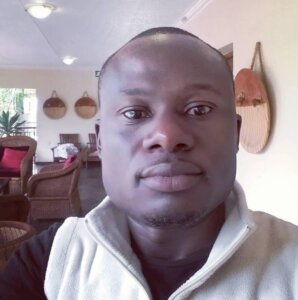
A search and arrest warrant was reportedly issued recently by top military officials, pointing accusing fingers at many civilians, including Mosina Venatius Lenya and Valentine Mabuh Mabuson, who are on the run, allegedly for being separatist fighters. Their whereabouts remain unknown, yet the military has reportedly declared them wanted, dead or alive.

As we went to press, family sources hinted that security forces were making impromptu patrols in their Kumba neighbourhoods in an attempt to apprehend and prosecute them for alleged terrorism-related offences, including insurrection, secession, revolution and escape.
THE SUN gathered that while Valentine Mabuh Mabuson’s whereabouts remain unknown, he escaped from Buea Central Prison following a prison break sometime in 2020, after he was arrested and detained for allegedly being a separatist fighter. Mosina Venatius Lenya, a Kumba-based business operator and owner of a welding shop, vanished in October 2025 after he was released from Buea Central Prison on September 18, 2025, where he had reportedly been incarcerated and tortured for allegedly siding with separatist fighters.
THE SUN learnt that Lenya was arbitrarily arrested alongside many other youths in Quarter 13, Kumba, in the early hours of September 2025 during a joint raid by Cameroon’s security and defence forces. Mosina was reportedly blindfolded and subjected to severe torture and mistreatment before being taken to a notorious military camp along Mbonge Road, Kumba, on allegations that he was producing locally made weapons for separatist fighters to use against the security forces.
Mosina is reported to have been severely tortured for about seven days in detention before being transferred to Buea Central Prison, where he was allegedly subjected to further torture until he sustained bruises and wounds. While he was in detention, separatist fighters reportedly stormed his shop and razed it to the ground, allegedly because he was suspected of being an informant for the Cameroon security and defence forces. Following the intervention of his cousin, Mosina Venatius Lenya was released.
Under the Cameroon Penal Code, if Valentine Mabuh Mabuson and Mosina Venatius Lenya are arrested, they could face charges including acts of insurrection, hostilities against the state and failure to report, some of which carry prison sentences, including life imprisonment.
Contacted, a senior security official in Meme said: “Operations are intelligence-led actions aimed at neutralising armed groups and restoring order. We act within the law to protect civilians. Anyone with information should collaborate with the authorities.” The official added that ongoing disarmament, demobilisation and reintegration (DDR) and humanitarian programmes were also being implemented.
Human rights groups say the crackdown on civilians, activists and perceived sympathisers in the two regions has intensified, with reports of arbitrary arrests