By Ikome Christie-Noella Eposi in Buea
Growing concerns over the health risks posed by cosmetics and poor waste management took center stage at the Fourth Annual Toxicology Open Day Seminar, organised by the Faculty of Health Sciences of the University of Buea in coll
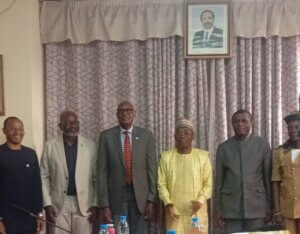
aboration with the Cameroon Society for Toxicological Sciences (CSTS). Held on Wednesday, April 22, 2026, at Amphitheatre 500, the seminar brought together academics, researchers, students, and public health experts to examine emerging toxicological threats in Cameroon.
Under the theme, “Cosmetics and Health; Toxicology of Municipal Wastes,” the event featured an expert panel discussion on identifying emerging toxicological risks and opportunities in the country. Presentations covered a broad range of topics, including environmental, clinical, genetic, occupational, and food toxicology, reflecting the multidisciplinary nature of the field.
Opening the seminar on behalf of the Vice-Chancellor, Professor Michael Ekonde-Sone emphasised the importance of such academic gatherings in expanding students’ knowledge beyond classroom learning. He lauded the Faculty of Health Sciences for its consistent excellence, noting its top ranking nationally and growing influence across Africa. “Organising seminars like this is a way to empower students and broaden their understanding of chemical exposures in daily life,” he said. “This is not just an academic exercise; it is a seminar on wellness. Participants must go beyond gaining knowledge to sensitising others within their communities.”
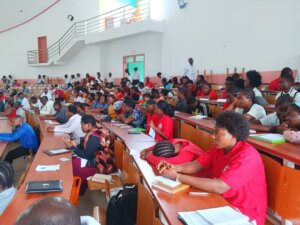
He further encouraged students to take full advantage of the opportunity, describing them as future ambassadors of health who must lead awareness efforts on the dangers associated with everyday products and environmental pollutants.
In a welcome address delivered on behalf of the Dean, Professor Nsagha Dickson Shey underscored the significance of the seminar as part of the faculty’s broader commitment to academic excellence and international collaboration. He highlighted the faculty’s impressive achievements, including a 100 percent success rate in national clinical examinations and strong partnerships with global institutions. “This seminar aligns with our vision of continuous learning and collaboration,” Professor Nsagha noted. “We are not only training students but building capacity for the nation by equipping future experts who can serve in government, NGOs, and international organisations.”
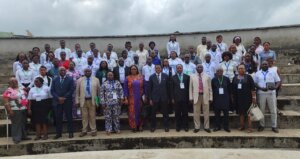
The President of CSTS, Professor Asongalem Emmanuel Acha, traced the evolution of the society since its creation in 2006. He acknowledged that activities slowed between 2015 and 2023 due to socio-political challenges but said the organisation has since regained momentum. “We have made significant progress in sensitising the population on toxicological risks and advocating for the teaching of toxicology in universities,” he said. “We are also working closely with the government toward establishing a national poison control center to improve documentation and response to poisoning cases.”
Professor Asongalem added that the introduction of “horizon scanning” in this year’s seminar marks a new phase in identifying and addressing emerging toxicological threats in Cameroon.
A recurring concern throughout the seminar was the increasing exposure of Cameroonians to harmful chemicals, particularly through cosmetics and poorly managed municipal waste. Experts warned that many products on the market are either inadequately regulated or contain substances that can have long-term health consequences.
In an interview, Professor Nsagha stressed the link between chemical exposure and the rising incidence of non-communicable diseases such as cancer. “Many of these chemicals are carcinogenic,” he explained. “As health professionals, we must not only treat diseases but also understand and address their root causes through prevention and public education.” He also pointed to alarming trends observed in hospitals, including a growing number of young patients suffering from kidney-related illnesses, which he attributed partly to the misuse of unregulated products and substances.
Professor Asongalem echoed these concerns, noting that many consumers are unaware of the dangers associated with the products they use daily. He urged the public to pay closer attention to product ingredients rather than being swayed by appealing fragrances or marketing. “It is better to use products without strong fragrances than those that smell pleasant but contain harmful chemicals,” he cautioned. “The effects of these substances are not immediate; they may manifest 10 to 15 years later, affecting vital organs such as the liver, kidneys, and heart.”
The issue of municipal waste was also highlighted as a significant public health challenge. Improper waste disposal, participants noted, leads to contamination of water sources, exposing communities to toxic substances. With rains washing waste into rivers and groundwater, the risk of widespread exposure remains high.
Professor Ekonde-Sone described waste management as a societal issue requiring coordinated action from local councils, policymakers, and citizens. He expressed hope that the seminar would produce actionable recommendations to improve environmental safety.
Beyond the discussions, the seminar served as a platform for networking, knowledge exchange, and capacity building. Students were encouraged to actively participate, engage with peers, and extend the knowledge gained to the wider community.
As the event concluded, participants expressed optimism that continued collaboration between academic institutions, professional bodies, and government agencies would strengthen toxicology research and public awareness in Cameroon.
With toxicological risks increasingly embedded in everyday life, from cosmetics to environmental pollution, the seminar underscored the urgent need for sustained education, stronger regulation, and proactive public health interventions to safeguard the well-being of the population.